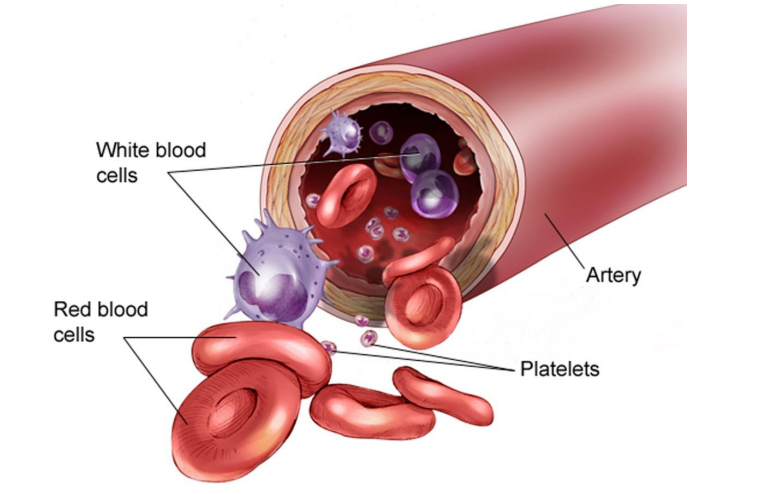
Lymphomas are cancers arising from lymph nodes or the lymphatic systems. There are two types of lymphomas
It is only possible to tell with surety the difference between Hodgkin and non-Hodgkin lymphomas, when the cells are looked at under the microscope. Often the cells need to be stained to show their structure in detail. Usually the cells will be tested for the presence of particular proteins – this is known as immunohistochemistry.
If you have any of the above symptoms you should have them checked by your doctor. However,they are common to many conditions other than non-Hodgkin lymphoma and most people with these symptoms will not have a lymphoma.
At the hospital, the doctor will take your full medical history and perform a physical examination. You may be asked to have blood tests and a chest x-ray to check your general health. A definite diagnosis is made by removing an enlarged lymph node, or part of it, and examining the cells under a microscope. This is known as a biopsy. It may be done under local anesthesia and sedation, or a general anesthesia. Biopsies may also be taken from other body tissues. Once it is confirmed on the biopsy as lymphoma then several other tests are carried out to know the stage of the disease. This includes a CT scan of the (chest+ abdomen+ pelvis) or nowadays Whole body PET-CT is the preferred imaging modality. Also you will have to undergo bone marrow aspiration and biopsy.
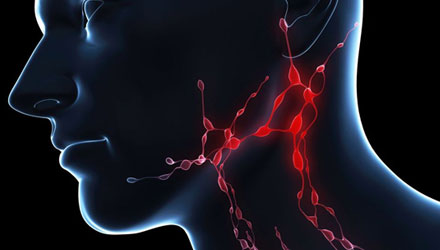
One group of lymph nodes is affected.
Two or more groups of nodes are affected, only on one side of the diaphragm.
The lymphoma is on both sides of the diaphragm.
The lymphoma has spread beyond the lymph nodes, for example to other organs such as the bone marrow, liver or lungs.
There are many different types of lymphomas. Different lymphomas are treated in different ways so it is important that the doctors know which type it is. There are over 20 different types of non-Hodgkin lymphoma. They are usually divided into B-cell and T-cell lymphomas. The most common types of B-cell lymphomas are: diffuse large B-cell lymphoma and follicular lymphoma.
Many people with non-Hodgkin lymphomas can either be cured or stay in remission for many years. Your treatment is planned taking into consideration specific type of lymphoma you have, your age, stage and your general health (including any other medical conditions).
They often grow very slowly. For many people, regular check-ups are all that is needed and treatment may be postponed for a long time – this is known as active surveillance or watchful waiting. Usually the first treatment given is chemotherapy, often in combination with a monoclonal antibody Rituximab (Targeted therapy). If you have low-grade NHL in only one group of lymph nodes, you may just be given radiotherapy to that area. If the lymphoma then comes back, it can be treated again with chemotherapy (with or without targeted therapy), radiotherapy or bone marrow transplant. Often another period of remission may follow. Low-grade NHL can often be controlled in this way for many years.
These are faster growing and need treatment soon after the diagnosis. Treatment is usually with a combination of chemotherapy drugs and steroids. The chemotherapy is given often in combination with a monoclonal antibody Rituximab (Targeted therapy). Most chemotherapy for high-grade lymphomas is given in the outpatients department, although sometimes you may have to stay in hospital. Chemotherapy for high-grade NHL will vary depending on the type. If there is a risk that the nervous system may be affected by the lymphoma, an anti-cancer drug may be injected into the fluid around the spinal cord – this is called intrathecal chemotherapy. If there is a high risk of the lymphoma coming back after standard treatment, other treatments such as high-dose chemotherapy may be recommended. Sometimes radiotherapy is used after chemotherapy, especially if the lymphoma is in just one area of the body or was very large (> 7 cms) before chemotherapy was given.
The most commonly used chemotherapy for high-grade lymphomas is a combination of four drugs called CHOP regimen. CHOP is a combination of the chemotherapy drugs
A monoclonal antibody called rituximab (TARGETED THERAPY) is given alongside
Hodgkin lymphoma has been divided into two main classifications, classical Hodgkin lymphoma—which accounts for about 95 percent of all cases of Hodgkin lymphoma and lymphocyte predominant Hodgkin lymphoma.
Since no two patients are exactly alike, treatment is tailored for each patient's unique situation. Most people treated for Hodgkin lymphoma will receive some form of chemotherapy and sometimes radiation therapy as their treatment. The addition of biologic agents to chemotherapy is also currently under investigation in clinical trials. Bone marrow or stem cell transplantation is typically used in the relapsed or refractory setting.
Chemotherapy for Hodgkin lymphoma often consists of giving multiple drugs together (combination chemotherapy) in a defined way (schedule), called a treatment regimen. For example, the combination regimen ABVD (adriamycin, bleomycin, vinblastine, dacarbazine) is currently considered standard therapy: It has less toxicity while sustaining a full capacity to destroy Hodgkin lymphoma cells. This regimen is given every 15 days for four to six month depending upon the stage and risk stratification of your disease.
Radiation therapy (also called radiotherapy) uses high-energy X-rays to kill cancer cells and shrink tumors. Radiation may be combined with chemotherapy. In Hodgkin lymphoma, the common areas of the body that are radiated include lymph nodes in the neck, chest and armpit (mantle field); lymph nodes in the abdomen and possibly spleen; lymph nodes in the pelvis and groin; and in certain circumstances, extended-field radiation to upper abdominal fields. Radiation therapy may be used alone for very early disease such as stage Ia/Stage Ib.