Surgery is the oldest form of cancer treatment. About 60% of cancer patients will undergo surgery, either by itself or in combination with other therapies. There are several types of cancer surgery
Curative surgery
It simply involves removal of a cancerous tumor. It works best on localized cancers that haven't yet spread to other parts of the body, and is often followed by radiation therapy or chemotherapy to make sure all cancerous cells have been removed
Curative surgery types include
- Minimally invasive surgery
- Robotic surgery
Preventive surgery
It is used to prevent cancer from occurring. Many colon cancers can be prevented by removing precancerous polyps before they become malignant. A woman at very high risk for breast cancer may decide to have her breasts removed rather than worry about getting breast cancer later in life. You can remove several pre cancerous lesions of head and neck before they grow into cancer.
Reconstructive surgery
It returns the body to normal or near-normal appearance or function following cancer treatment. The most common restorative surgery is breast reconstruction after a mastectomy. Facial reconstruction after head and neck cancer surgery are also examples of reconstructive surgery.
Diagnostic surgery(biopsy)
In this procedure, the surgeon removes some or all of a tumor for examination to determine if the growth is cancerous. A biopsy can be done in several ways
- Fine Needle Aspiration (FNA): a needle is inserted into the tumor and material is drawn out for inspection under a microscope
- Incisional or excisional biopsy: the patient is put under local or regional anesthesia, which numbs the area, and a small incision is made in the skin. The surgeon either removes a piece of a large tumor (incisional), or the entire mass (excisional), for further examination. If the tumor is in the chest or abdomen, general anesthesia is used
side effects of Surgery
- damage to organs in the body
- blood loss
- adverse reactions to medication
- pain or discomfort
- infections
- pneumonia
- blood loss or clots
What is Chemotherapy
Chemotherapy is the use of anti-cancer drugs to destroy cancer cells (including leukaemia, lymphoma and myeloma). Chemotherapy drugs can stop cancer cells dividing and reproducing. As the drugs are carried in the blood, they can reach cancer cells anywhere in the body. They are also taken up by some healthy cells. Healthy cells can repair the damage caused by chemotherapy, but cancer cells can't and eventually die. There are different groups of anti-cancer drugs that can be used.
How and where is chemotherapy given
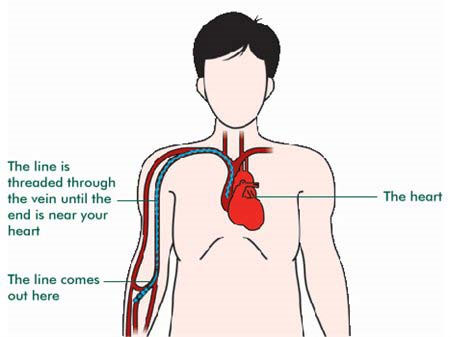
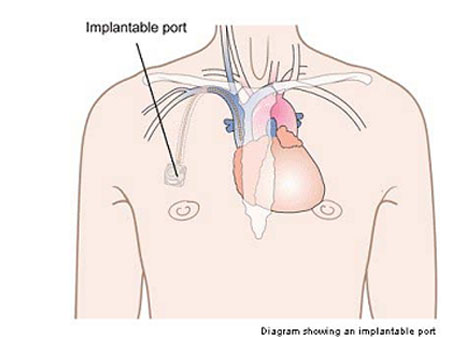
Cancer drugs are often given in combinations called chemotherapy protocols. Chemotherapy is normally given in a hospital's outpatient department, or as an "inpatient" in a hospital. The choice of where you get chemotherapy depends on which drug or drugs you are getting. Most patients receive their treatment as an "outpatient" and are not hospitalized. Sometimes, a patient starting chemotherapy may need to stay at the hospital for a short time. The most common ways chemotherapy can be given are into a vein (intravenous chemotherapy) but in some selective cancers as tablets or capsules (oral chemotherapy). Chemotherapy may also sometimes be given through the PICC line or CHEMOPORT.
Side effects of chemotherapy
- Nausea and vomiting
- Fatigue
- Hair loss
- Anemia
- Infections and Low WBC count
- Soreness of mouth and throat problems
- Diarrhea and constipation
What is Radiation Therapy
Radiation therapy (also called radiotherapy) uses radiation (high-energy modified X rays) to kill or shrink tumour cells. It is used to treat some, but not all cancers. It is used either alone or in combination with other treatments or therapies such as surgery or chemotherapy. Radiation therapy is the principal treatment for various skin cancers (non-melanoma), cancers of the mouth, nasal cavity, pharynx and larynx, brain tumours, and many gynecological cancers, as well as lung and prostate cancer. Patients don't see or feel radiation and are not "radioactive" following treatment.
What is brachytherapy
The term brachytherapy refers to the placement of radioactive "seeds" or "sources" inside or next to a tumour. The seeds/sources deliver radiation directly to the tumour, sparing surrounding health tissue. In some cases, thin needles/ hollow applicators are used to insert the radioactive seeds.
What is IMRT
Intensity Modulated Radiation Therapy (IMRT) is a specialized way of using radiation therapy and computer algorithms called 'inverse-planning' to increase the ability to shape high-dose radiation to the size and shape of a patient's tumour. IMRT allows the delivery of higher radiation doses with less damage to surrounding healthy tissue.
Side effects of Radiotherapy
- Temporary or permanent hair loss
- Skin irritation causing redness or sometimes blistering
- Some darkening of skin color in the area being treated
- Swallowing - discomfort or pain
- Infections and Low WBC count
- Diarrhea - if the abdomen or pelvis are treated
- Nausea (rare)