
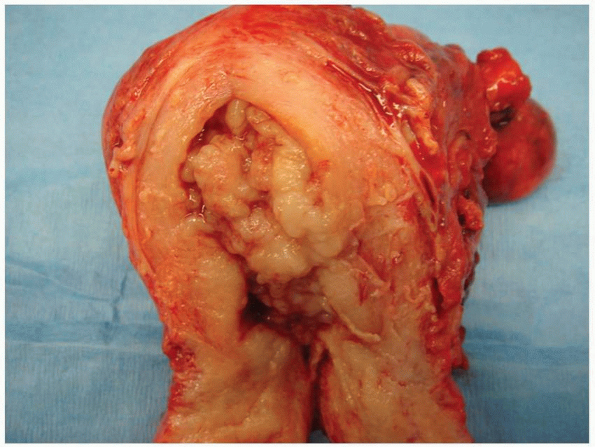
Uterine cancer is the most common cancer of a woman's reproductive system. Uterine cancers begin when normal cells in the uterus change and grow uncontrollably, forming a mass.
Lymphomas are cancers arising from lymph nodes or the lymphatic systems. There are two types of lymphomas
Less common symptoms are pain or discomfort in the pelvic area, or pain during sex.
Bleeding is one of the first signs of womb cancer, and the earlier womb cancer is picked up, the more likely it is to be cured. Even if you've had a normal cervical screening test (smear test) recently, it's important to have any bleeding checked. A smear test only takes cells from the neck of the womb (the cervix) so it only occasionally picks up womb cancer.
Lymphomas are cancers arising from lymph nodes or the lymphatic systems. There are two types of lymphomas
If womb cancer is confirmed, you'll have further tests (e.g. CT or MRI) to find out more about the position of the cancer and whether it has spread from where it started.
The main treatment for womb cancer is an operation to remove the womb (hysterectomy), and the fallopian tubes and ovaries along with removal of adjacent lymph glands. For some women, this may be the only treatment they need to cure the cancer.
After surgery, you may be advised to undergo radiation therapy and/or chemotherapy depending on the stage to avoid risk of disease coming back
After your treatment, you'll have regular check-ups, every few months at first, but eventually you may only be seen once a year.
Endometrial cancer usually presents in early stage and if treated appropriately has very good long term survival. Almost 90-95% patients are alive for more than 5 years.
"Making the decision about treatment is hard… talk about it as much as you can, and ask all your questions however silly you think they are….remember this is one of the nice cancers to have"